Will no player win a Calendar Grand Slam in 2026?
Near-Certainty on the Calendar: Markets Say No Grand Slam in 2026
The Calendar Grand Slam - winning all four majors in a single calendar year - is the rarest achievement in tennis. Only three players have ever done it in the Open Era on the women's side, and the last time it happened was Steffi Graf in 1988. So when Polymarket is pricing the probability of it NOT happening in 2026 at a cool 98.4%, you might say the market is simply doing basic tennis history homework.
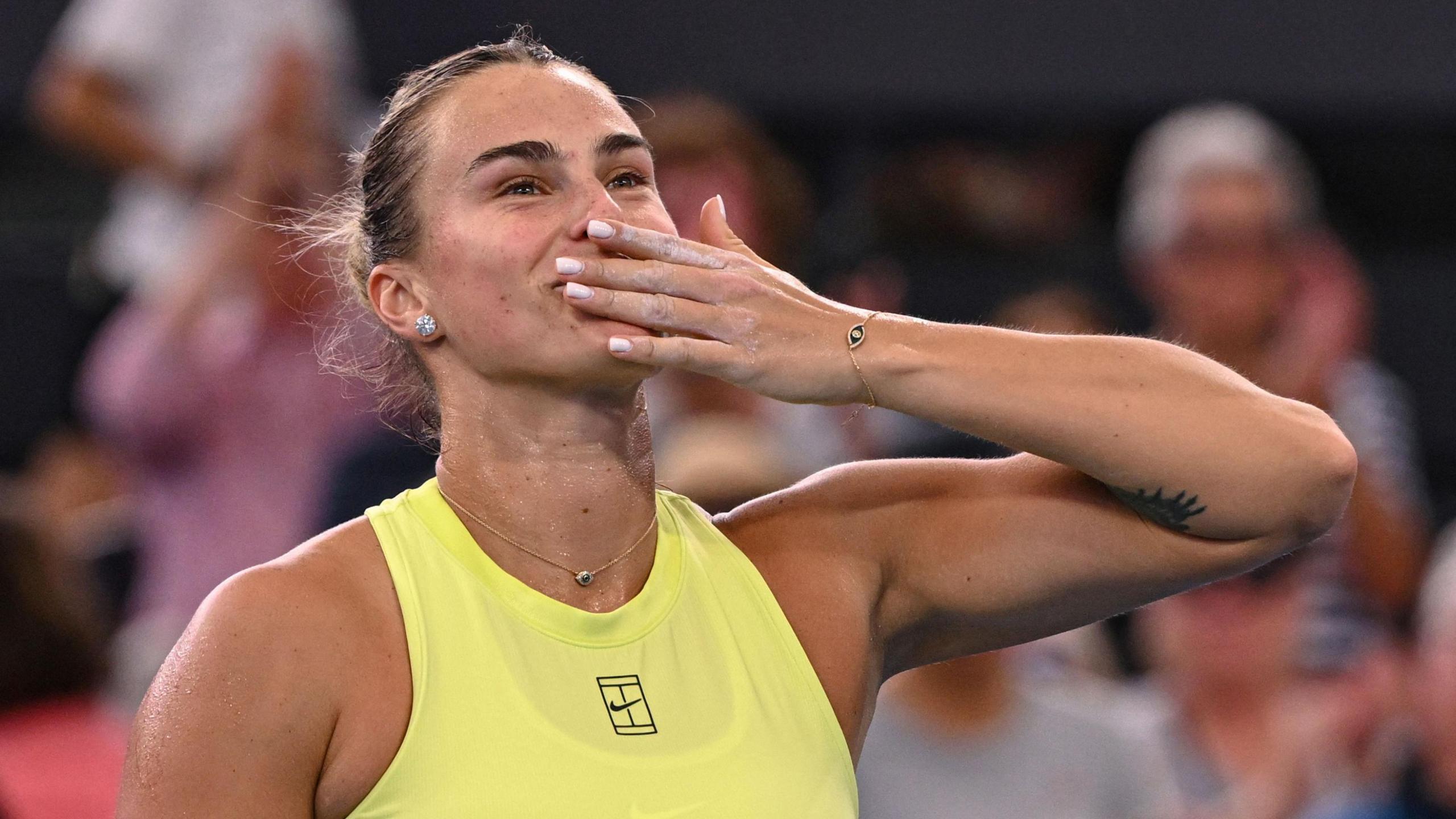
Why does this matter? Because the question is genuinely alive enough to trade on. Aryna Sabalenka enters 2026 as the world number one with a 2,400-point lead over her nearest rival, and some commenters are already crowning her as the one player with a realistic shot. A dominant world number one, a run of form, and four majors to conquer - it is not impossible. It is just, historically speaking, extremely unlikely.
What the Market Is Telling Us
At 98.4% for "Yes" (meaning no player completes the Calendar Grand Slam), this market is priced about as close to a foregone conclusion as prediction markets get. The "No" outcome - which would require one player to sweep all four majors - sits at just 1.6%. For context, one commenter noted that bookmakers are offering this at 1 cent, suggesting Polymarket's price is actually slightly generous to the dreamers.
The market structure has an interesting quirk worth understanding: it resolves immediately to "No" if a specific listed player fails to win the Australian Open, and immediately to "None" if no listed player can complete the sweep at any point during the year. This means most of the drama, if any, will be concentrated in January. If Sabalenka lifts the trophy in Melbourne, the market stays open a little longer and suddenly becomes interesting. If she doesn't, it collapses almost instantly.
With $250,000 in 24-hour trading volume, this is an actively watched market despite its near-certain outcome. Traders appear to be treating the 1.6% "No" side less as a genuine bet on Sabalenka's dominance and more as a very slow-moving lottery ticket with a long expiry date and a lot of waiting around.
What to Keep in Mind
History, form, and market pricing all point the same direction here: a Calendar Grand Slam in 2026 is an extraordinary longshot. The market suggests participants are essentially treating it as settled business, with only a sliver of probability reserved for the miraculous. Sabalenka's dominance is real, but winning four consecutive majors requires not just excellence but also luck, health, and opponents who cooperate - none of which are guaranteed. Anyone watching this market should remember that the resolution timeline stretches all the way to Wimbledon in July and the US Open in September, meaning there is a lot of tennis left to be played before anyone collects.
FAQ
Q: What exactly needs to happen for this market to resolve as "None"?
A: "None" is the outcome when no listed player completes a Calendar Grand Slam, meaning all four titles in a single year go to different players, or a player who won the Australian Open fails at any subsequent Slam. The market can also resolve to "None" if any of the four Grand Slam women's singles tournaments is cancelled or has no official winner declared before December 31, 2026 at 11:59 PM ET.
Q: How quickly can this market resolve, and does it have to wait until after Wimbledon?
A: Not necessarily. If a listed player loses at the Australian Open, the market resolves immediately to "No" for that player. If the Australian Open winner then stumbles at the French Open, the market resolves immediately to "None", since a Calendar Grand Slam has become impossible for everyone. Only if a player keeps winning through all four Slams does the market wait until the final result at the last tournament is official.
Q: Does a walkover or opponent retirement count as a legitimate Grand Slam title for this market?
A: Yes, fully. The market rules explicitly state that a tournament victory is valid regardless of whether the final was decided by a walkover, a mid-match retirement by the opponent, or a standard completed match. The method of winning the final has no bearing on whether the title counts toward a Calendar Grand Slam.
What traders are saying
In the comments under "Will no player win a Calendar Grand Slam in 2026?", traders are debating the market from different angles:
- "@TexMexTRex want to cash out?"
- "I definitely do but I can't do it at 3c. What are you willing to offer?"
- "wdym the fair value is below 1c, I can abandon 2c of EV but def not more"
Taken together these quotes give a quick snapshot of how the crowd currently thinks about this market.